
February 10, 2026
Ask ten landowners when to clear land and you'll get ten answers. After years of working the 60-mile radius around Dayton, here's ours: late fall through early spring is prime time.
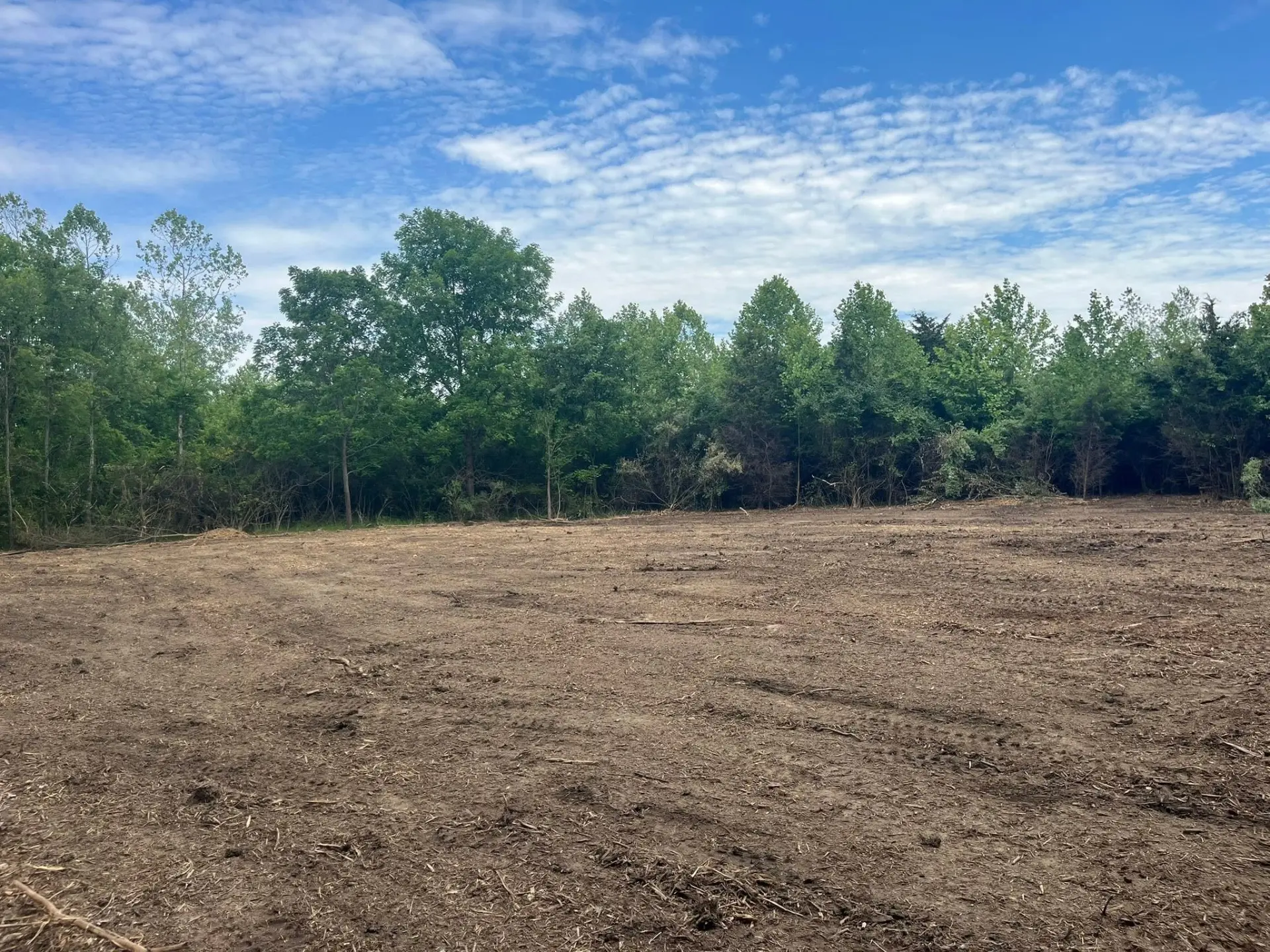
Once vegetation goes dormant, you can see the true structure of the land — every stump, every drainage line, every keeper tree. The ground is firm (or frozen), which means less rutting, and with leaves down, a forestry mulcher works measurably faster. Faster machine time means a lower bill.
Spring and summer work too — especially for maintenance mulching, trail cutting, and grading — but wet ground limits where tracked equipment should go, and nesting season calls for more care around habitat edges.
Planning a build? Clear in winter, grade in early spring, and you're pouring concrete by summer. That single scheduling decision is the cheapest acceleration most landowners never take.